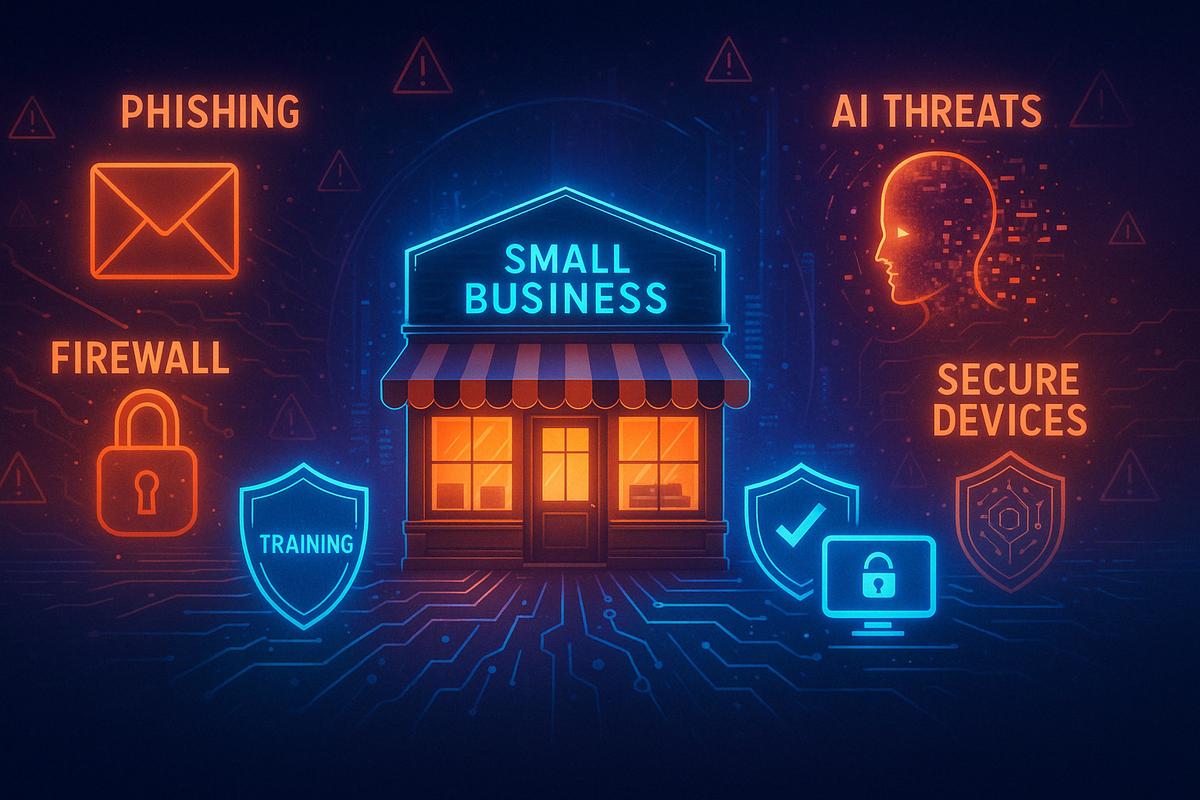
1. Protect Business Email Accounts
Business email is one of the most common entry points for cyberattacks. Attackers may send fake invoices, impersonate suppliers, or pretend to be company executives to convince employees to transfer money or disclose confidential information. What businesses should do:- Enable multi-factor authentication (MFA).
- Use strong, unique passwords.
- Train employees to recognize suspicious emails.
- Verify payment requests through a separate communication channel.
- Avoid opening unexpected attachments or links.
2. Secure Customer and Business Data
Customer information, financial records, employee details, and internal documents are valuable business assets. Unauthorized access or accidental exposure can create legal, financial, and reputational consequences. What businesses should do:- Collect only the information they actually need.
- Restrict access based on employee responsibilities.
- Encrypt sensitive information where appropriate.
- Back up important data regularly.
- Establish clear data retention and deletion policies.
3. Keep Software and Devices Updated
Outdated software may contain security vulnerabilities that attackers can exploit. Business owners should pay attention to operating systems, website platforms, plugins, routers, applications, and other internet-connected devices. What businesses should do:- Enable automatic security updates where appropriate.
- Remove unused applications and accounts.
- Replace unsupported software.
- Update website plugins and server components.
- Regularly review device and software inventories.
4. Protect Business Websites and Online Services
An insecure website can expose customer information, disrupt operations, or become a platform for malicious activity. Businesses that operate online stores, booking systems, customer portals, or internal applications should regularly review their security. What businesses should do:- Use HTTPS with valid TLS certificates.
- Secure administrator accounts.
- Apply security updates promptly.
- Conduct vulnerability assessments.
- Review access permissions and server configurations.
5. Prepare for Ransomware and Data Loss
Ransomware can prevent a business from accessing important files and systems. Even without ransomware, hardware failures, accidental deletion, and human error can cause serious data loss. What businesses should do:- Maintain regular backups.
- Keep at least one backup separate from the primary environment.
- Test restoration procedures.
- Limit administrative privileges.
- Prepare an incident response plan.
6. Train Employees to Recognize Cyber Threats
Technology alone cannot prevent every cyberattack. Employees play an important role in protecting business systems. Common risks include phishing, social engineering, weak passwords, unsafe file sharing, and accidental data disclosure. What businesses should do:- Provide regular cybersecurity awareness training.
- Use realistic phishing exercises.
- Establish clear reporting procedures.
- Encourage employees to report suspicious activity without fear of blame.
7. Create a Basic Cybersecurity Plan
Every business should have a documented cybersecurity plan, even if it has only a few employees. A basic plan should identify critical systems, important data, responsible personnel, backup procedures, and steps to take when an incident occurs. Start with these five actions:1. List your most important business systems.
2. Identify who can access sensitive information.
3. Enable MFA on important accounts.
4. Verify that backups are working.
5. Define who should respond to a security incident.